
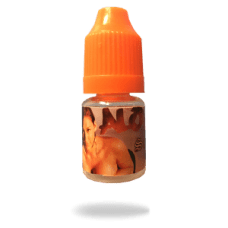
ALOHA TANGERINE LIQUID INCENSE 5ML

$40.00
Aloha Tangerine Liquid Incense 5ML from Herbal Incense Hub emerges as a captivating choice for those seeking a unique blend of fragrance and mood enhancement.
What “liquid incense” usually is
Liquid incense products are generally fragrance oils or incense scent concentrates designed to release aroma without burning dry herbs. Common formats include:
- Scent oils for use with diffusers/evaporators
- Air freshener/incense scent drops
- Gel/impregnated pad refills (sometimes)
- “Liquid incense” meant for vapor/evaporation rather than open flame
Because the name can vary by brand, the key is the intended application method (diffuser, wax warmer, evaporator, cotton wick, etc.). The bottle label usually specifies that.
2) Advantages of liquid incense over traditional incense
Here are common advantages you can expect from liquid/incense oil products:
a) No smoke and less residue
If it’s designed to evaporate or diffuse, you typically avoid:
- Smoke and soot
- Ash cleanup
- Lingering ash on surfaces
b) More controllable scent intensity
Many liquid incense methods let you adjust aroma by:
- Adding fewer/more drops
- Adjusting diffuser/warmer heat
- Using smaller time intervals
c) Often faster scent release
Diffusers and evaporative devices tend to start scenting quickly compared with some incense styles that take time to fully “catch.”
d) Lower physical mess than powders or sprays (when used correctly)
Liquid can still spill, but it often produces less messy residue than burning materials.
e) Easier portability
A 5 mL bottle is compact for travel, home use, or keeping a spare scent on hand.
3) How to use it (methods)
Below are safe, general methods used for liquid fragrance/incense oils. Choose the one that matches your product’s instructions.
Method A: Diffuser (most common for liquid fragrances)
Best for: even scent distribution.
- Use your diffuser according to its manual.
- Add the recommended amount of fragrance to the diffuser’s reservoir (often measured in mL or drops).
- Run in intervals if you want to avoid overwhelming fragrance.
- Keep the area ventilated and start on a lower setting.
Tip: If the product is concentrated, “less is more.” Start with fewer drops, then increase gradually.
Method B: Evaporator or reed/wick diffuser
Some liquid incense oils can be used with wicks/reed diffusers:
- Add the liquid to the wick diffuser reservoir.
- Wait 20–60 minutes for noticeable aroma.
- Flip or refresh wicks if your setup uses them.
Avoid: placing it near heat sources unless the label says it’s safe.
Method C: Scent warmer / gentle heat (only if label allows)
Best for: strong, cozy aroma.
- Confirm the label explicitly permits warmers/heat.
- Use low heat to avoid degrading fragrance.
- Never leave unattended.
- Keep away from flammable materials.
Method D: Cotton pad / bowl evaporation (low-tech)
Best for: small rooms.
- Pour a small amount onto a cotton pad or put a few drops on a cloth/paper wick in a small bowl.
- Place it in a ventilated area (not in direct sun/heat unless allowed).
- Monitor scent strength and refresh as needed.
Method E: “Incense bottle” or special holder (brand-specific)
Some “liquid incense” brands are made for a proprietary device. If the manufacturer provides a specific holder or cartridge system, follow that precisely.
4) Important safety and scent-responsible use
Even if it doesn’t burn, it’s still a chemical fragrance product.
- Ventilation: Use in a room with airflow, especially if others are sensitive.
- Start low: Begin with the minimum amount, then adjust.
- Avoid skin contact: Many fragrance oils can irritate skin.
- Eye safety: Never let it get into eyes.
- Keep away from children and pets: Scents can be tempting to lick/chew; also some ingredients can be hazardous.
- Don’t ingest: Only for air/fabric fragrance use unless explicitly labeled otherwise.
- Allergy/asthma considerations: Fragrance can trigger symptoms in sensitive people. If someone is affected, stop use.
- Do not mix unknown chemicals: Don’t combine with other oils unless the label says it’s compatible.
5) “Advantages” summarized (what you can expect)
For a product like this, the main advantages are typically:
- Controlled aroma without smoke
- Easy operation (diffuser/evaporation)
- Quick scenting
- Better for indoor environments where ash/smoke is unwanted
- Compact 5 mL size and potentially long-lasting use
(Exact performance depends on your method, room size, and how concentrated the formula is.)
6) How to store (very important)
Here are best-practice storage guidelines for liquid fragrance/incense oils:
- Keep tightly capped
- Prevents evaporation and maintains potency.
- Store in a cool, dry place
- Avoid humidity and temperature swings.
- Keep away from direct sunlight
- UV can degrade fragrance components and affect color/strength.
- Use upright storage
- Prevents leaks and contamination of the cap.
- Keep away from heat sources and flames
- Even if it’s “incense,” it’s still liquid fragrance and may be flammable.
- Avoid storing in extreme cold
- Some oils can thicken; that may make dispensing harder.
- Label/notes
- If you decant into a different container, label it with the product name and date.
Reviews
There are no reviews yet.
Related products
K2 Paper for Sale
Liquid Herbal Incense
Liquid Herbal Incense
Liquid K2 On Paper
K2 HERBAL INCENSE

K2 Paper for Sale
Liquid Herbal Incense
Liquid Herbal Incense
Be the first to review “ALOHA TANGERINE LIQUID INCENSE 5ML”