
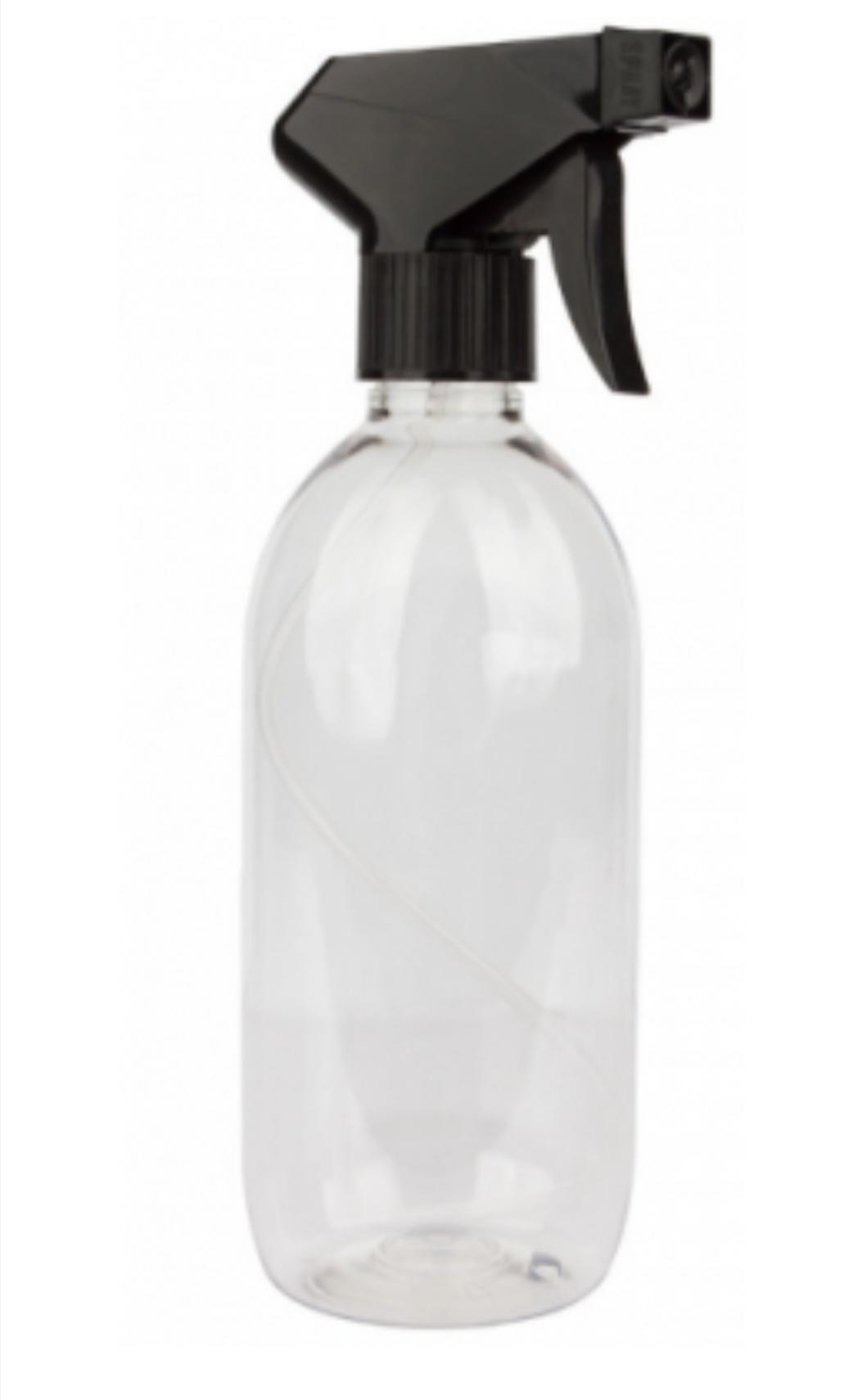
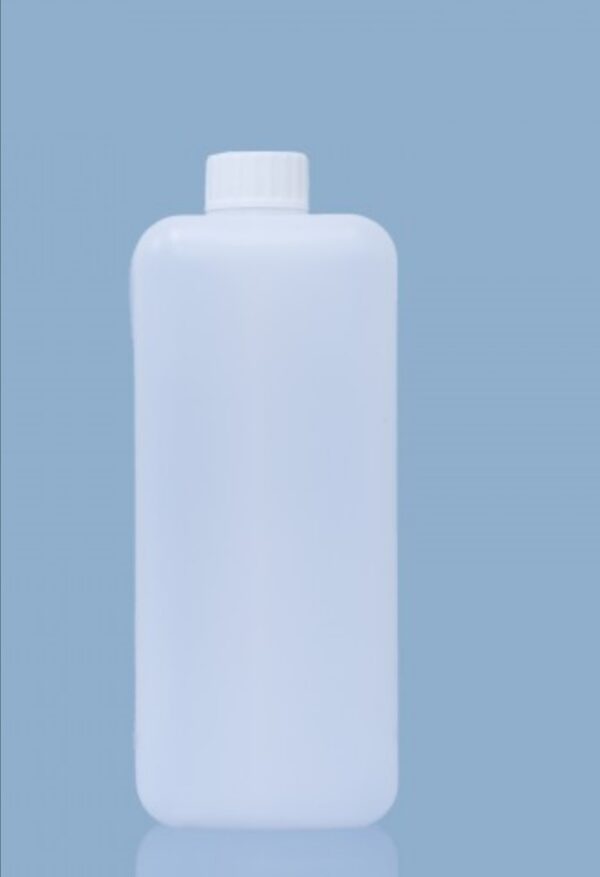
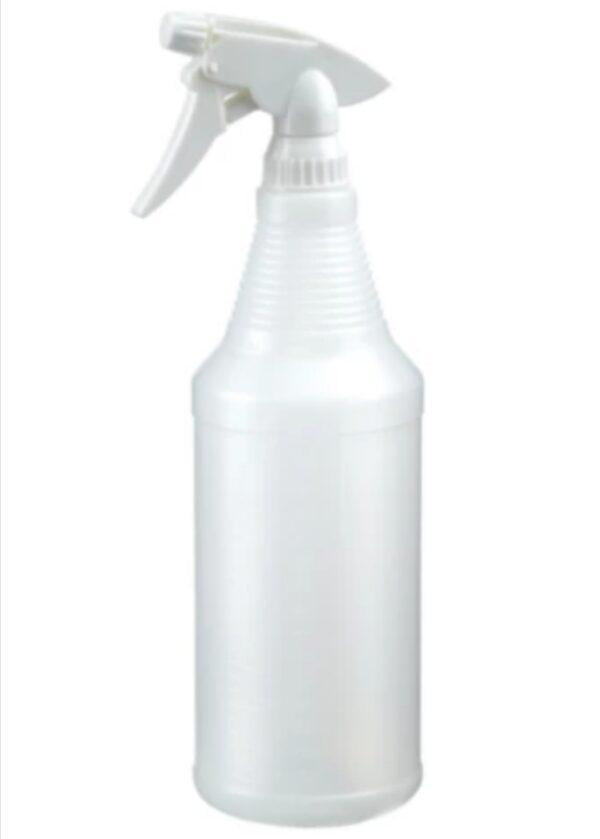
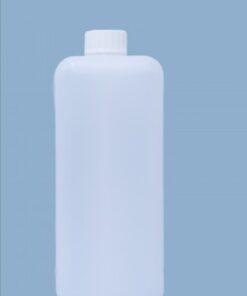
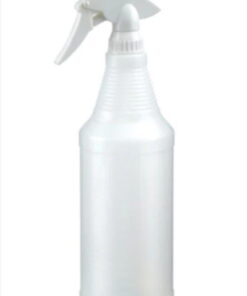
Best K2 Spice Spray
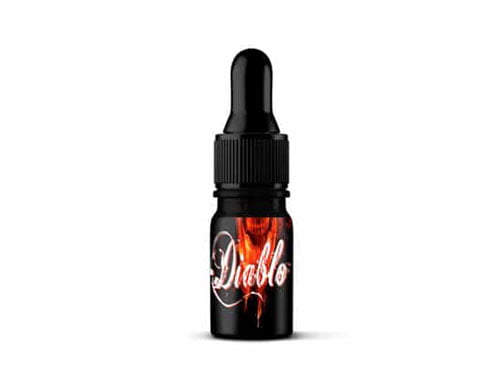
Price range: $500.00 through $3,000.00
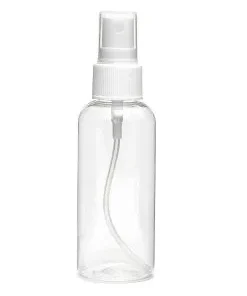
Best K2 Spice spray from Herbal Incense Hub, has garnered significant attention, both for its controversial reputation and its varied applications.
What K2-free incense/fragrance spray usually is
A K2-free incense spray is designed to release scent into the air or freshen surfaces without using synthetic cannabinoids. Most are made from some combination of:
- Fragrance or essential-oil-like components (often a blend)
- Alcohol/water carriers (commonly)
- Stabilizers to help the scent last
- Sometimes botanicals or herbal extracts (brand-dependent)
Even when it’s “incense,” sprays are typically fragrance products, not true burning incense. That means:
- No smoke or ash
- Scent intensity depends on the sprayer, dosage, and room ventilation
Advantages (why people choose these sprays)
- No smoke / no ember risk
You avoid the hazards of open flame or burning incense (especially around kids, pets, or smoke-sensitive environments). - Fast, adjustable scent release
A quick spray can noticeably change the room smell. You can scale down by spraying less or using short bursts. - Convenient and portable
A small bottle fits easily for home, travel, cars (only if label allows), or quick scent refresh. - Lower cleanup
Unlike smoke or candles, sprays generally leave little to no residue—though overspraying can stain some surfaces. - Versatility
Many sprays can be used for:- Room ambiance
- Closet/linen scent
- Light fabric refresh (if the label says safe for fabrics)
- Event/meditation ambiance (again, only as the label allows)
Methods of use (safe, general)
Method 1: Room scenting (most common)
- Ventilate first: Open a window or ensure airflow if you’re sensitive to fragrance.
- Distance matters: Hold the bottle a few feet away (labels vary, but generally don’t spray directly at people).
- Use short bursts: Start with 1–2 sprays in the center area or slightly upward direction.
- Wait and evaluate: Wait 5–10 minutes. Adjust only if needed.
- Avoid high-intensity settings: Don’t continuously spray until the room is “heavy.” Strong fragrance can trigger headaches/asthma in some people.
Best practice: “Start low, go slow.”
Method 2: Fabric/linen refresh (only if label says it’s safe)
If your label explicitly allows fabrics:
- Spot test on an inconspicuous area (inside seam/hem).
- Spray lightly from a distance.
- Allow to dry fully.
- Don’t spray directly onto delicate materials (silk, some synthetics) unless the product confirms compatibility.
Method 3: Curtains, carpets, and porous surfaces
For porous materials, sprays can leave lingering fragrance longer than expected and may discolor:
- Spot test first
- Use minimal sprays
- Avoid oversaturating
Method 4: “Herbal incense ambiance” for meditation or relaxation
If the label supports general ambiance use:
- Lightly scent before your session
- Use consistent timing (e.g., 5 minutes before starting)
- Pair with ventilation to prevent irritation
Safety precautions (important)
- Do not inhale intentionally. Spray into the room, not toward your face.
- Keep away from eyes and skin. If contact occurs, rinse with water and seek help if irritation persists.
- Pets and infants: Many fragrances are irritating. Use sparingly and keep them away until it settles/drys.
- Surfaces and electronics: Avoid spraying directly on electronics, screens, or near open flames.
- Allergies/asthma: Stop use if you notice coughing, wheezing, headaches, or dizziness.
- Flammability: Some sprays contain alcohol or other flammables. Keep away from heat sources.
If you share the ingredient list or label warnings, I can tailor these precautions more precisely.
How to store (general best practices)
Proper storage helps maintain scent quality and reduces leak risk:
- Keep tightly closed
- Prevent evaporation (common with alcohol-based carriers).
- Prevent accidental leaks.
- Cool, dry, and out of sunlight
- Store in a cabinet away from windows.
- Heat/light can degrade fragrance components.
- Avoid freezing temperatures
- Freezing can expand liquid and damage the sprayer.
- Keep upright
- Reduces leaks into the nozzle mechanism.
- Keep away from ignition sources
- If it contains alcohol-based components, it’s more likely to be flammable. Follow the label.
- Don’t store where kids/pets can access
- Consider a high shelf or locked cabinet.
- Check the nozzle
- If spraying performance drops, lightly rinse the nozzle area per label directions (some brands specify this; don’t do anything aggressive without instructions).
- Shelf life awareness
- Many fragrance products are best within a couple of years, but your bottle may have a PAO (period after opening) or expiration date—follow that.
| Quantity | 1/2 Litre, 1 Litre, 1 Gallon |
|---|---|
| Flavor | Diablo, Coded Red, Black Mamba, Bizzaro |
Reviews
There are no reviews yet.
Related products
Liquid Herbal Incense
Liquid Herbal Incense
Liquid Herbal Incense
Liquid Herbal Incense
Liquid Herbal Incense
K2 HERBAL INCENSE
Liquid Herbal Incense
K2 Paper for Sale
Be the first to review “Best K2 Spice Spray”