GREEN K2 LIQUID DARK GALLON — detailed guide (advantages, methods of use, and storage)
“GREEN K2 LIQUID DARK” sold as a gallon is typically a concentrated liquid product used for industrial/maintenance cleaning or chemical treatment where a “dark” formulation indicates either a darker dye/color, a specific concentrate profile, or a formulation variant intended for stronger performance than a standard/light version. However, the exact composition, intended use, dilution ratio, and safety requirements can vary by brand and country.
Because of that, I’ll give you a complete, practical guide that covers what you generally need to know for this type of product, and I’ll also tell you exactly what to check on your specific label so you can safely use your exact GREEN K2 LIQUID DARK gallon.
1) What it is / what “K2 Liquid Dark” usually means
Most “K2” liquid products in the market are designed as:
- Concentrated chemical solutions (often requiring dilution)
- Used for cleaning, degreasing, conditioning, or treatment of certain surfaces/materials
- Available in variants (like “dark” vs “light”) that may differ in:
- dye/colorant
- strength/concentration
- intended target surface or finish
2) Advantages (why people use it)
While the specific benefits depend on the formulation, concentrated “dark” K2-type liquids usually offer:
A. Strong cleaning or treatment performance
Concentrated formulas often provide better results per unit than ready-to-use products, especially for:
- embedded grime
- oily residue
- stubborn stains or buildup
B. Higher efficiency (concentrate = less waste)
A gallon concentration typically means you can:
- dilute for different jobs
- use less product overall
- stretch cost per cleaned/treated area
C. Consistency and repeatability
When you follow dilution ratios and contact time, you usually get:
- predictable results
- fewer “trial-and-error” cycles
D. Versatility across common maintenance tasks
Many users rely on K2 liquids for multiple jobs such as:
- periodic deep cleaning
- post-service cleanup
- preparation before other products/coatings
E. Faster turnaround (when used correctly)
If the product is designed to work quickly, proper application can reduce:
- downtime
- number of scrubbing cycles
- labor time
3) Before you use it: label checklist (must-do)
Look for these items on your specific GREEN K2 LIQUID DARK gallon:
- Intended use: What surfaces/materials is it for?
- Dilution ratio: “Use undiluted” vs “mix with water” (and the exact ratio).
- Application method: spray, mop, brush, soak, wipe, etc.
- Contact time / dwell time: how long it must sit before rinsing.
- Rinse instructions: whether you must rinse, and how thoroughly.
- PPE requirements: gloves, eye protection, ventilation.
- Hazards: flammability/corrosion/skin irritation—plus first-aid notes.
- Compatibility: what it must not be mixed with (often bleach, acids, ammonia, or other cleaners).
If you paste the label text here (or tell me the dilution ratio and intended surfaces), I can tailor the instructions precisely to your product.
4) Methods of use (practical, step-by-step)
Method 1: Dilution and surface application (most common)
When it’s a concentrated chemical:
- Ventilate the area (especially indoors).
- Wear PPE: chemical-resistant gloves and eye protection at minimum.
- Prepare a mixing container (use clean water first).
- Dilute according to the label (example pattern: “1 part product to X parts water”).
- Test a small area first to confirm there’s no discoloration or damage.
- Apply to the surface using:
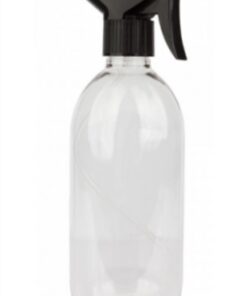
- spray bottle / pump sprayer
- mop
- brush for heavy buildup
- cloth for small areas
- Let it dwell for the label-specified contact time.
- Agitate if needed (scrub brush, scrubbing pad).
- Rinse if the label requires it; otherwise follow the label’s instructions.
- Allow to dry or proceed with the next step your process requires.
Best practice: Don’t let concentrated solutions dry on surfaces unless the label explicitly says so.
Method 2: Spot treatment for stains or localized buildup
- Prepare diluted solution per label.
- Apply directly to the stain (wetter coverage = better performance).
- Let sit for the dwell time.
- Scrub gently if needed.
- Wipe or rinse as directed.
- Repeat only if the label allows reapplication.
Tip: For darkened areas or high-value finishes, always do a test spot first.
Method 3: Bulk/large-area cleaning workflow (faster process)
- Divide the work area into sections.
- Start with the least sensitive areas.
- Apply product to one section at a time.
- Keep dwell consistent across sections.
- Scrub/rinse sequentially rather than letting it sit too long.
Why this helps: Chemical performance depends on time; uneven dwell causes patchy results.
Method 4: Safety-first mixing rules (very important)
- Never mix this product with other chemicals unless the label explicitly permits it.
- Always add product to water (unless label says otherwise).
- Use dedicated tools (bucket, sprayer) labeled for this chemical—don’t reuse kitchen tools.
5) Storage: how to keep it effective and safe
Proper storage protects both performance and your safety.
A. Keep it in the original container
- Original container is designed to resist chemical reaction.
- Keep the cap tightly closed.
B. Temperature control
- Store in a cool, dry, ventilated space.
- Avoid extreme heat (sun exposure, near heaters) and freezing (if your formula is water-based).
If your label lists a temperature range, follow it exactly.
C. Avoid direct sunlight and moisture
- Sunlight can degrade some chemicals and warp containers.
- Moisture can contaminate diluted or refilled containers.
D. Prevent spills and contamination
- Store upright on a tray or secondary containment where possible.
- Keep away from food, drink, and animal areas.
- Keep away from incompatible chemicals (acids/bleach/ammonia unless manufacturer says compatible).
E. Label and tracking (especially if you decant)
If you transfer to smaller bottles:
- label with product name, dilution (if prepared), date, and hazard level
- never store pre-diluted solution longer than the label recommends
F. Shelf life
Check the label for an expiration or “best before.” If none is provided:
- assume performance may degrade over time
- treat older product carefully and use test areas
6) Safety essentials (quick but crucial)
Even without knowing the exact SDS, plan on:
- gloves + eye protection minimum
- good ventilation
- avoid skin contact and inhalation of mist
- keep away from children and pets
- follow first-aid instructions on the label
7) What I need from you to make this truly “exact”
To tailor instructions perfectly for your specific GREEN K2 LIQUID DARK gallon, tell me (or paste) any of the following:
- The dilution ratio printed on the label
- The surfaces it’s intended for
- Whether it says rinse required or leave on
- Any precautions section wording
- Brand/manufacturer name from the label
If you share that, I can rewrite the usage section with the exact steps (ratios, dwell times, and do/don’t for your materials) rather than general guidance.


Be the first to review “GREEN K2 LIQUID DARK GALLON”