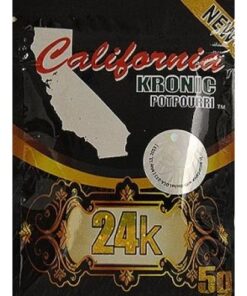
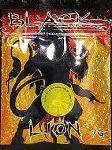
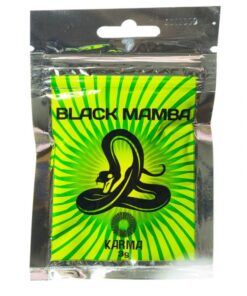
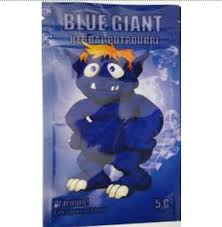
K2 Herbal Incense: Categories and Description
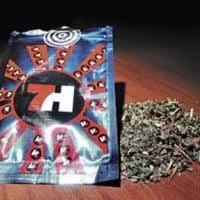
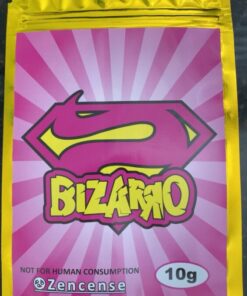
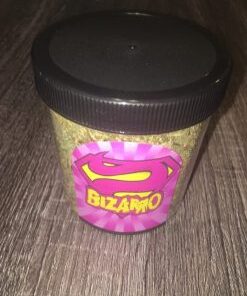
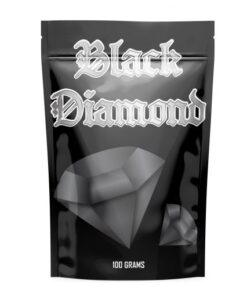
K2 Herbal Incense, a synthetic drug also referred to as “Spice,” has gained significant attention due to its various categories, each offering a different experience for the user. Though it is often marketed as a legal alternative to marijuana, K2 herbal incense can pose serious health risks due to its unpredictable and potentially harmful effects. Below are some of the main categories of K2 Herbal Incense, each with their distinct characteristics:
1. Synthetic Cannabinoids (K2 Blends)
These are the most commonly found category of K2 incense. Synthetic cannabinoids are designed to mimic the effects of THC (tetrahydrocannabinol), the active compound in cannabis. They are chemically engineered and sprayed onto dried plant material to create a product that can be smoked or vaporized. These blends vary in strength and potency, often producing effects such as euphoria, relaxation, heightened mood, or intense paranoia. The ingredients used in these blends are often unknown and may differ from batch to batch, making the experience unpredictable.
2. Incense-Only Blends
This category of K2 herbal incense is designed for those seeking an aromatic experience rather than a psychoactive one. Incense-only blends are typically used for their fragrant aromas and are marketed as air fresheners or room deodorizers. These types of K2 incense do not contain synthetic cannabinoids, but some blends may still carry potential risks due to the inclusion of other unregulated chemicals that can be harmful when inhaled.
3. K2 Herbal Incense for Relaxation
Some blends are specifically marketed for their calming and sedative properties. These K2 herbs are often infused with a mixture of herbs like lavender, chamomile, and other calming botanicals, which are intended to help with stress relief and promote relaxation. While these products may not contain synthetic cannabinoids, they still carry risks when inhaled, especially if additional chemicals or additives are present.
4. Potent K2 Blends
This category includes some of the most potent and dangerous K2 incense products available. These blends are often sprayed with higher concentrations of synthetic cannabinoids, which can produce intense, unpredictable effects, including hallucinations, extreme paranoia, and potential long-term psychological damage. Users may experience overwhelming sensations, and there have been reports of overdoses linked to these high-potency blends.
5. K2 Incense with Added Flavors
To enhance the user experience, many K2 herbal incense blends come in various flavored options, such as fruity, minty, or tropical scents. These flavored K2 blends are designed to mask the chemical smell of synthetic cannabinoids, making the product more appealing to consumers. However, these added chemicals may also introduce additional risks, as some of the flavoring agents may not be safe for inhalation.
6. Experimental K2 Blends
This category consists of newer, less tested versions of K2 herbal incense. These experimental blends may include unregulated chemicals that have not been fully studied for safety or potential side effects. Users of experimental blends often report different effects, which may range from mild intoxication to severe health complications. Due to the nature of these products, they carry high risks and should be avoided.
Conclusion
While K2 herbal incense is widely marketed for its various uses, including relaxation and enhancing the environment with pleasant aromas, it’s important to be aware of the significant dangers that come with using these products. The categories outlined above demonstrate the variety of K2 blends available on the market, but they all carry substantial risks to health and well-being. It’s crucial to exercise caution and avoid using these products due to their potential for harmful effects on both physical and mental health. Always seek professional advice before considering any substance, and remember that the safety and legal status of K2 herbal incense can vary by region and country.